Hothouse
Literary Journal
Category: Criticism
-

by Scotty Villhard I’m about to spoil Station Eleven, Casablanca, Dracula, and The Importance of Being Earnest for you, so if you don’t want that to happen, go read Station Eleven (and those other ones too, I guess). My fascination with literary coincidences began in June of 2020. It had been a while since I…
-

Written by Megan Snopik While the countless spin offs of Jane Austen’s Pride and Prejudice (1813) range from zombie movies to raunchy fanfictions, the original conception of its hero, Mr. Fitzwilliam Darcy, made a young girl’s romantic dreams take shape (or at least they did for this writer). The struggle, however, of reading Austen’s work…
-

Written by Vanessa Simerskey For many, poetry has become an ideal medium for expressing the emotions behind both physical and mental illness; poetry allows writers to be vulnerable and honest in a way that some other literary forms may restrict. One striking example of this expression of raw emotional honesty that instantly comes to mind…
-

Written by Leah Park The ability to move freely through the air, to see the world from a different perspective; the exhilaration of the wind rushing past your face, the power to carry yourself so far from the ground that once entrapped you on this earth: winged flight has always enraptured the human imagination. From…
-

Written by Ingrid Alberding It was a sunny day on Avenida Copacabana in Rio de Janeiro as a woman with cat-like eyes and vivid red lipstick stared at an empty display of naked mannequins. Her name was Clarice Lispector, an interesting figure now regarded as one of the masters of Brazilian literature. Jose Castello,…
-

The science fiction genre has struggled with its own definition since its beginning. It encompasses everything from intergalactic space battles to horrifying dystopias, and even science fiction writers themselves disagree on exactly what it means to write sci-fi.
-
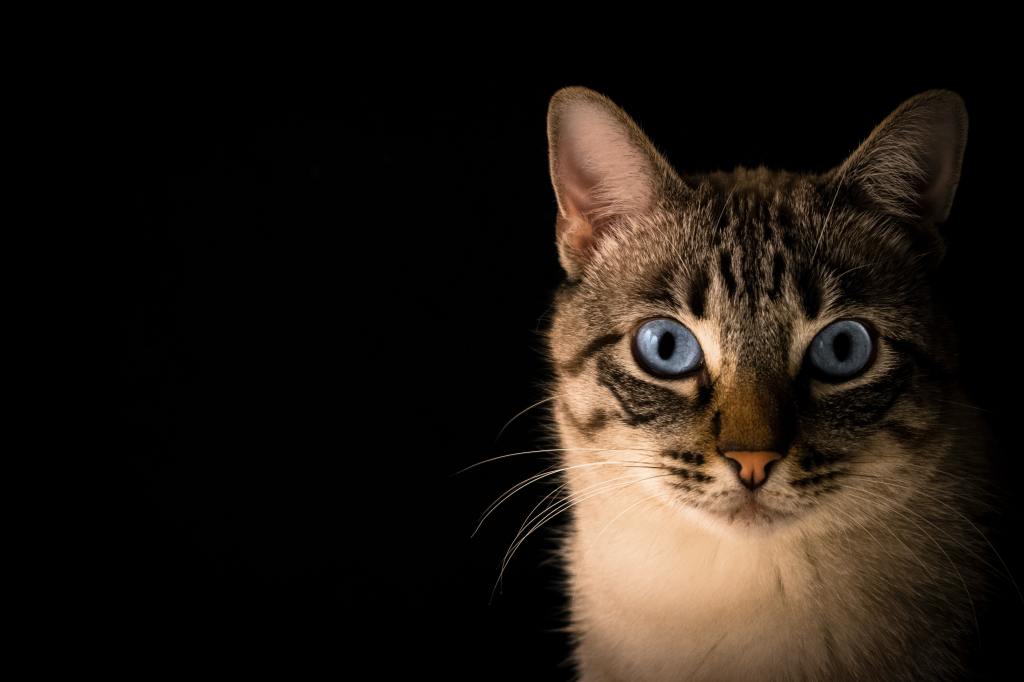
We might be inclined to separate these tragic Victorian heroines from the protagonists of our modern literature, but a closer look at one novel suggests that this social suffocation has simply shifted into a new form — a feline form.
-
“All Summer Long” is a story that—on the surface—appears to be nothing more than the tale of summer revelers in Northern Michigan, but the incredibly clever Kid Rock masterfully weaves a darker, more sinister story in the background.
-
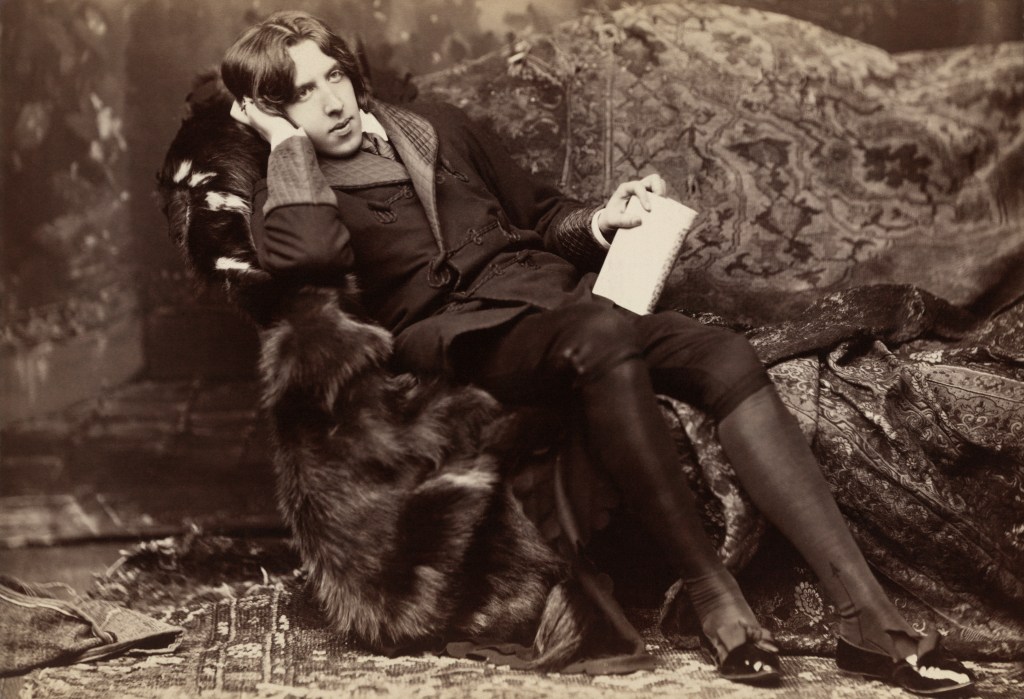
Since I Like It and The Picture of Dorian Gray both address the same themes, with some slight nuances, does this mean Cardi B acts as our critic against our dependence on material goods? The answer is an emphatic yes.
-
Though her name is unfamiliar to many — perhaps due to her determination to challenge social and artistic boundaries while being a woman of Jewish heritage and indeterminate genre — Mina Loy continues to complicate the emotions and perceptions of those who engage with her work.
-

O’Connor does not presume to definitively depict his country’s most horrific period. His larger point, woven throughout a narrative which suggests storytelling itself is fallible, is that words can fail to communicate horrors, and that fiction must adapt.
-

The environment becomes the physical reference point from which authors can delve into introspection or connect to memories. Yet, only using nature as a mirror or point of introspection ignores the worth of the environment in favor of applying human value to nature.
 Hothouse