Hothouse
Literary Journal
Category: The Female Odyssey
-
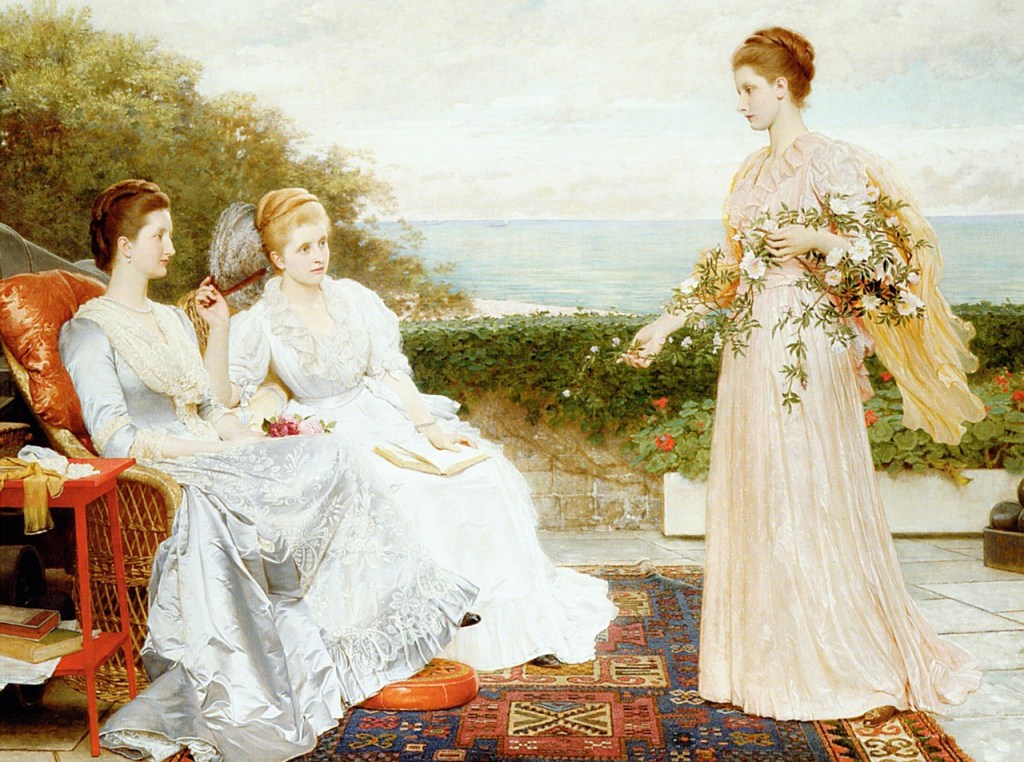
By Harmony Moura Burk The portrayal of womanhood in literature situates the reader to always look, but never touch the characters before them. As untouchable beauties, chaste maids, and distressed virgins, women appeal to their male counterparts by remaining desirable, but they can never actualize this desire lest they become their own foils—the prostitute, the…
-
By Megan Snopik *Before you read this article, please know that several sensitive and potentially triggering topics will be mentioned, including suicide, self-harm, and sexual violence. What do Bertha Mason, Edna Pontellier, Esther Greenwood, and Britney Spears all have in common? Only one of them has a 14-times platinum single, but all of them have…
-

by Christie Basson These quotes are meant to encourage, uplift, and celebrate women today by remembering the generations who came and wrote before us. Spanning more than four thousand years, these words have traveled time and space to find us, penned by individuals who have experienced every walk of life. Written by women of all…
-
by Megan Snopik In Virginia Woolf’s famous essay, A Room of One’s Own, she attempts – in preparation of two lectures intended for female college students – to answer why, as of 1929, there have not been as many great female writers as male. Praised in its second-wave feminist heyday, this essay was crucial to…
-
In ye olden times, we had real women. Women with long flowing hair who were properly grateful to be protected and provided for. These women knew feminine strength was their inherently emotional disposition, which is why they always make such caring mothers—it’s in their nature! Yes, back at the beginning, there were no frivolities like…
-
The Halloween witching season has come but not gone because apparently—it is here to stay. Over the past few years, witches have been claiming more space in social conversations and creative productions. In the literary and cinematic spheres, witches are either sparking new stories, embodying good or evil, or both at once (the best kind), and…
-

Written by Carolina Eleni Theodoropoulos Looking for heroines in the fairy tales Grimm can get very discouraging. Those few women who do have agency still fail—to my contemporary standards, at least—to qualify as heroines. Women in these stories do not ask for what they want (they probably don’t even know what they want as they…
-
Written Emily Ogden Earlier this month, one of our contributing general staff members, Eleni Theodoropoulos, wrote an inaugural post for our “The Female Odyssey” column, about women and magic in fairy tales. Today, Emily Ogden contributes to that column as she talks about women in Shakespeare. If you are a fan of A Midsummer Night’s…
-

Written by Carolina Eleni Theodoropoulos The realm of magic was always governed by women. Women are nymphs, they are jealous goddesses; they are lustful and vengeful monsters like Medusa, and dangerous women yielding destructive power like Pandora. In fairy tales they are witches, they are crones, they are evil stepmothers and hags. The norm in…
 Hothouse