Hothouse
Literary Journal
Tag: Criticism
-

By Nicolas Silva A rocky cliffside soars above a raging sea. Its stones silently endure the fiery lashes of the lightning above and the foaming crashes of the waves below. The pouring rains drown out the howling winds. No living thing exists—or ever could exist—within such a storm, save the lone individual standing at the…
-
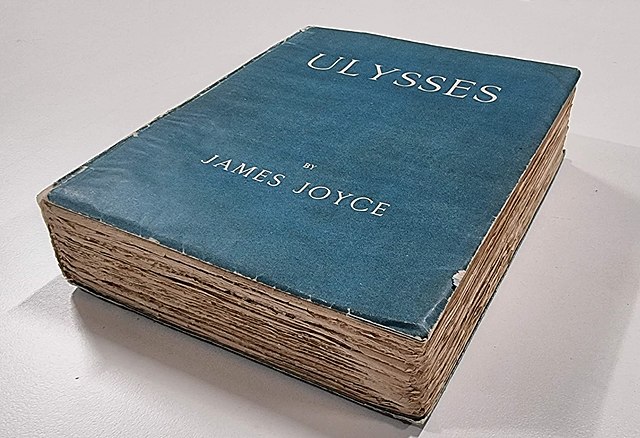
IN WHICH UNDERGRAD Gerardo Adrian Garcia REVISITS JAMES JOYCE’S EPIC NOVEL AND FINDS THE AUTHOR BOTH grandly admirable AND sort of nuts WHAT BOOK THIS ARTICLE IS ABOUT James Joyce’s Ulysses, published February 2, 1922 by Sylvia Beach’s Shakespeare and Company, Paris, France. First published in serial by The Little Review from 1918-1920, Ulysses lead…
-
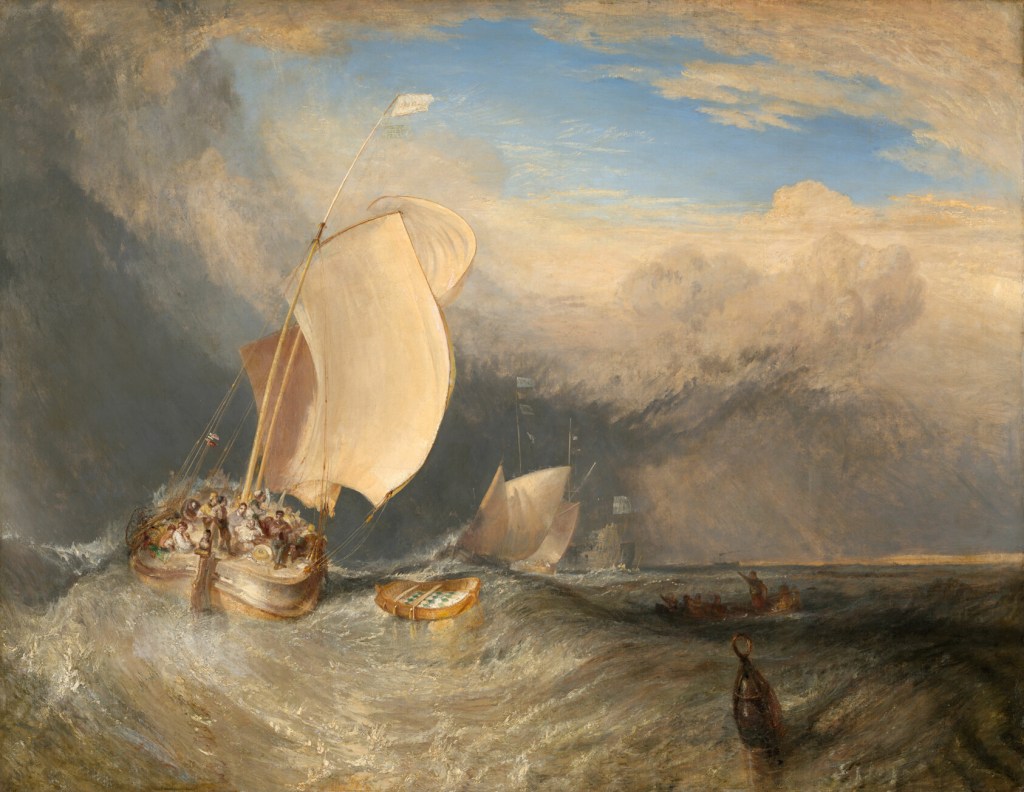
By: Lana Haffar Grime, putrid and ancient, coats your shoes and your lungs. The wind bites and the salt spray stings your face and arms. Below you, the water churns in primordial agony. Around you, sunburnt tourists in cargo shorts enjoy a perfectly temperate afternoon. But to an eight-year-old, that catamaran in San Francisco Bay…
-

By: Harmony Moura Burk When I was a little girl living in Brazil, my mom took me and some visiting family friends to a cathedral in São Paulo. We weren’t Catholic–I come from a strictly Prostestant background–but the cathedral was still a high point on the trip. At the time, of course, I didn’t fully…
-

by Scotty Villhard I’m about to spoil Station Eleven, Casablanca, Dracula, and The Importance of Being Earnest for you, so if you don’t want that to happen, go read Station Eleven (and those other ones too, I guess). My fascination with literary coincidences began in June of 2020. It had been a while since I…
-

Written by Leah Park The ability to move freely through the air, to see the world from a different perspective; the exhilaration of the wind rushing past your face, the power to carry yourself so far from the ground that once entrapped you on this earth: winged flight has always enraptured the human imagination. From…
-
The environment becomes the physical reference point from which authors can delve into introspection or connect to memories. Yet, only using nature as a mirror or point of introspection ignores the worth of the environment in favor of applying human value to nature.
-
The Halloween witching season has come but not gone because apparently—it is here to stay. Over the past few years, witches have been claiming more space in social conversations and creative productions. In the literary and cinematic spheres, witches are either sparking new stories, embodying good or evil, or both at once (the best kind), and…
-

Written by Kylie Warkentin As any young, voracious reader can attest, I used the worlds novels offered as benchmarks in which to measure the unruliness of the world around me. As a teenage girl trying her hardest to scrape together any sort of sense of self, books seemed like they held-if not the answers, then…
-

By Caitlin Smith Thousands of high school students in English classrooms across the world read, under-analyze, and hate Romeo & Juliet each year. Why is what’s arguably become Shakespeare’s most recognizable tragedy met with such vitriol from students? Can they not relate to the teenage angst exhibited by the titular characters? Is the language too…
-

Written by Carolina Eleni Theodoropoulos Looking for heroines in the fairy tales Grimm can get very discouraging. Those few women who do have agency still fail—to my contemporary standards, at least—to qualify as heroines. Women in these stories do not ask for what they want (they probably don’t even know what they want as they…
-

Written by Carolina Eleni Theodoropoulos The realm of magic was always governed by women. Women are nymphs, they are jealous goddesses; they are lustful and vengeful monsters like Medusa, and dangerous women yielding destructive power like Pandora. In fairy tales they are witches, they are crones, they are evil stepmothers and hags. The norm in…
 Hothouse